+86-13031705107
Consulting phone

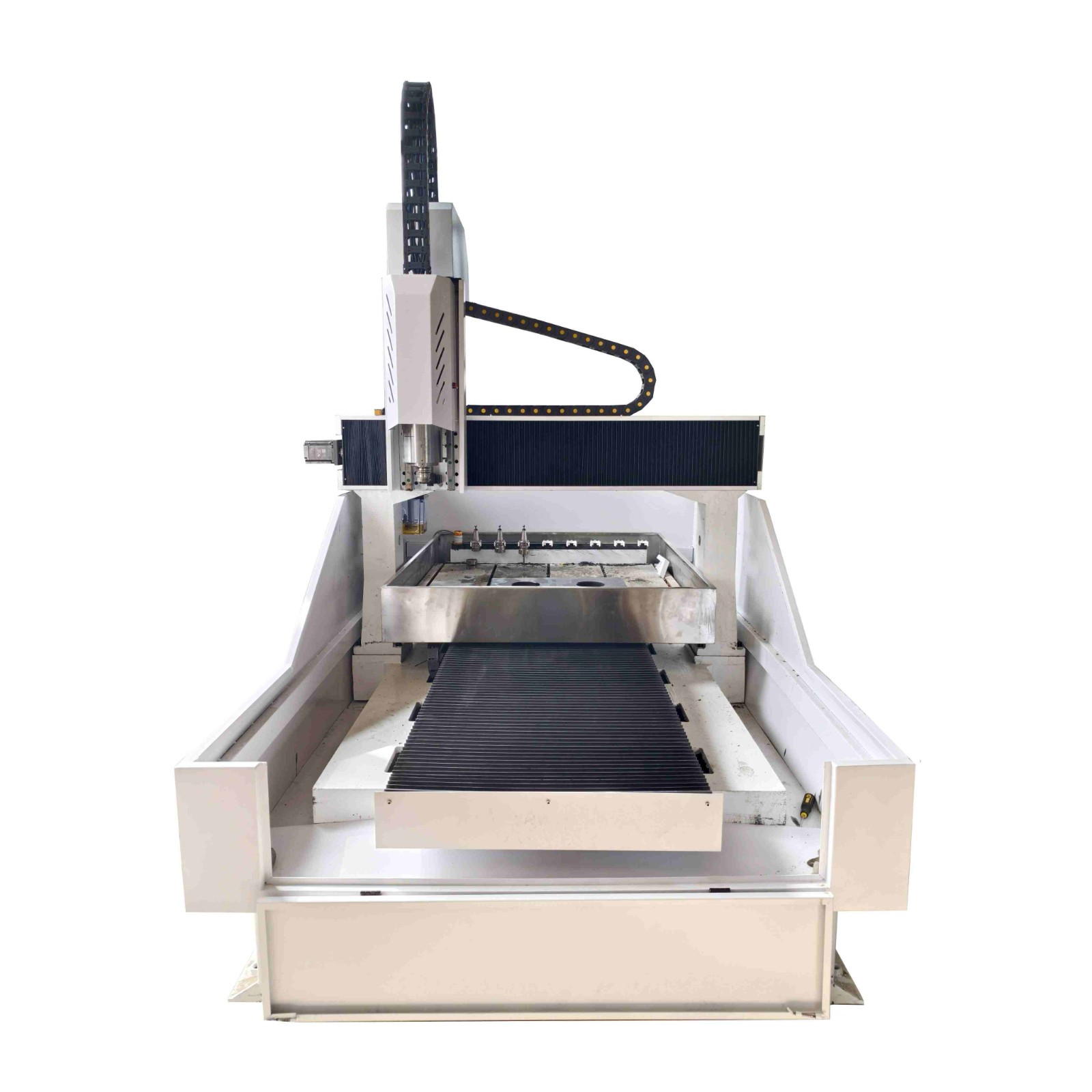
Model | GS-ATC1010 |
X .Y Axis working area | 1000X1000mm |
Z-Axis working area | 250mm |
Repeatability | 0.025(+/-mm) |
Max Cutting Speed | 21000mm/min |
Rapid Traverse | 28000mm/min |
Spindle power rate | 7.5KW(water cooled 12000rpm) |
Controller | SYNTEC |
Structure | Cast iron |
Spindle rotating speed | 0-12000rpm |
command | G code*.u00*.mmg*plt |
Work Mode | 750W Yaskawa servo motor |
Transmission | TBI ball screw |
Guide way | Linear guide way(hiwin) |
Power | AC380V/50~60Hz |
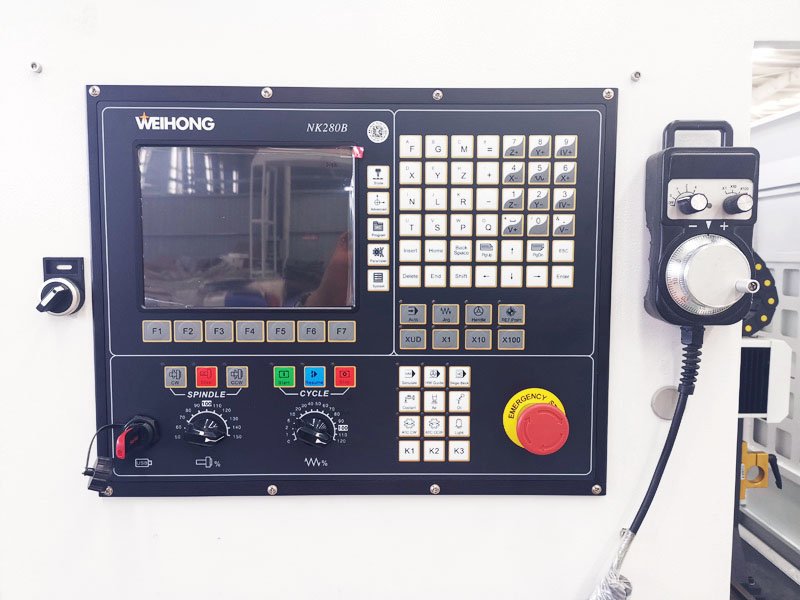
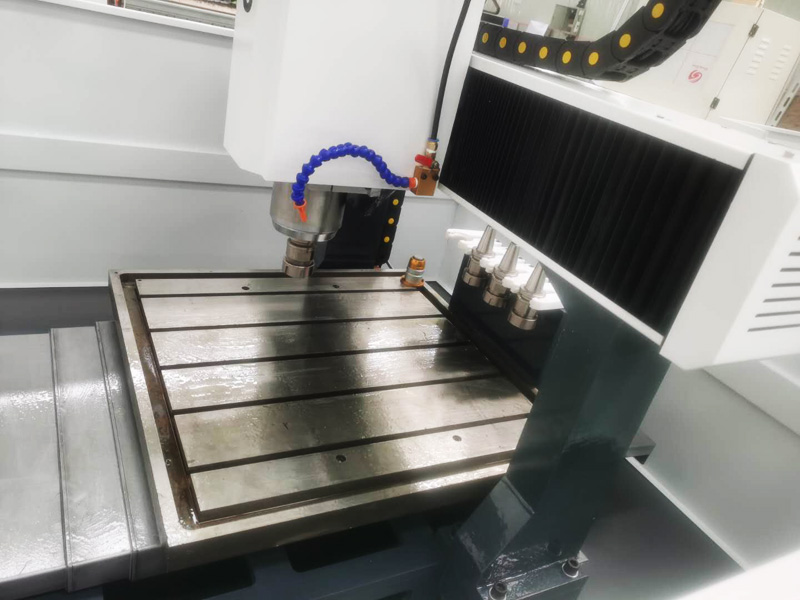
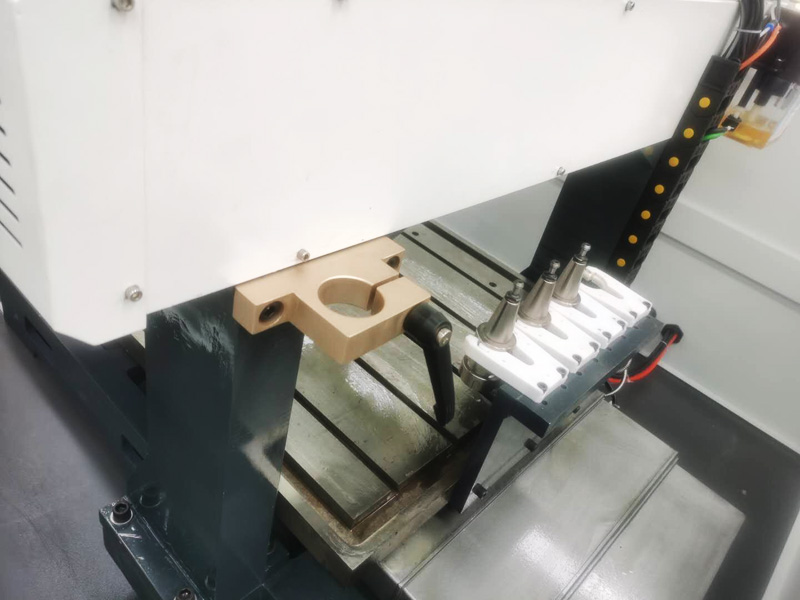
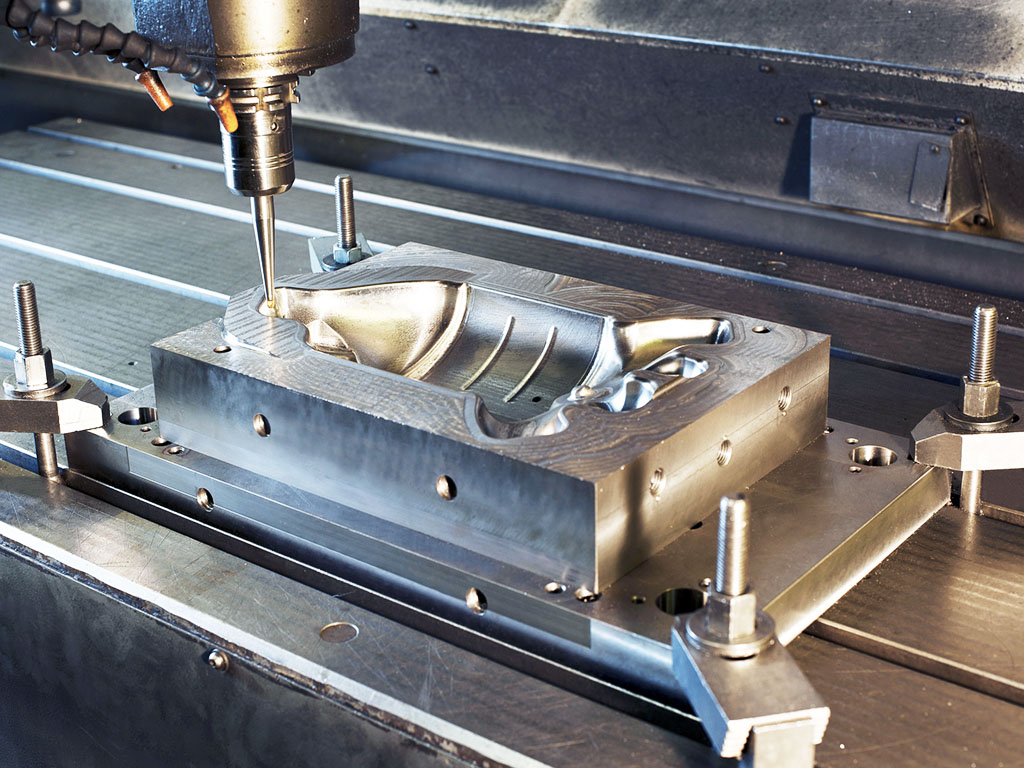
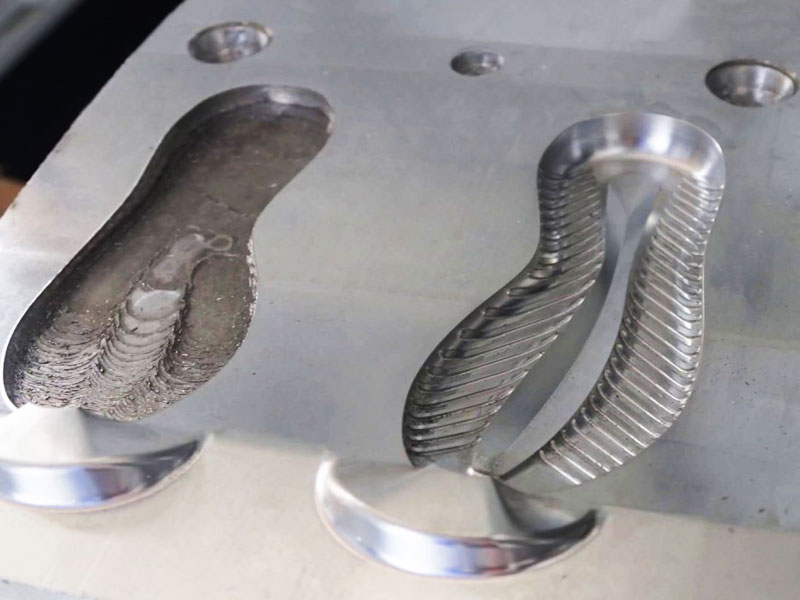
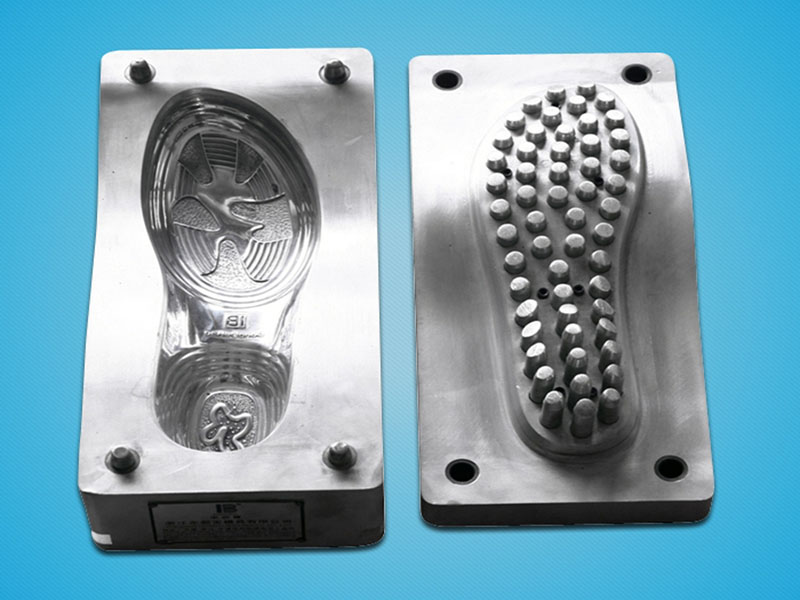
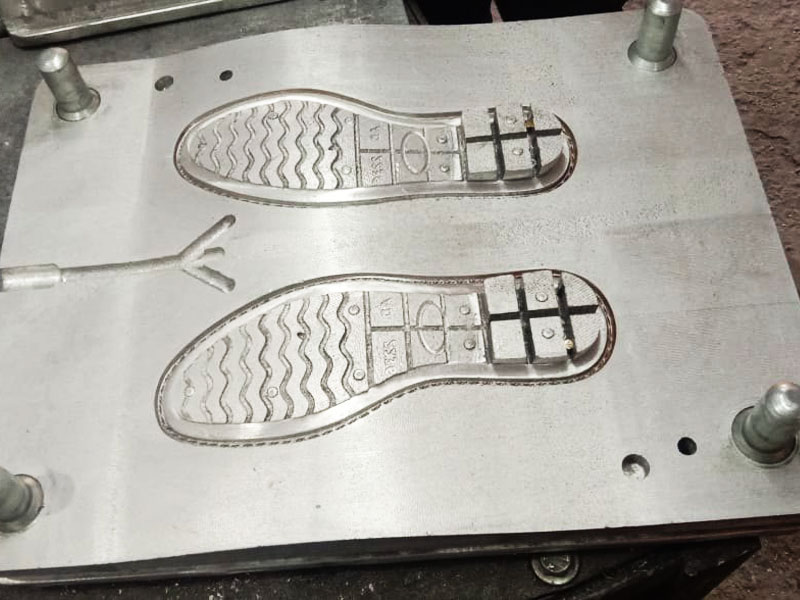
The CNC molding machine is applicable to carve, mill, cut, and drill most materials, including but not limited to copper, aluminum, steel, iron, brass, wood, foam, and plastics. It finds its massive applications in injection mold, automotive, ironware mold, shoe mold, drop mold, metal molds, clock parts, copper electrodes, zinc electrodes, metal electrodes, metal crafts, metal arts, jewelry, jade, dental crown, among other molding industries. This machine is specially designed for batch machining molds, watches, eyeglasses, panels, brands, badges, outside surface sleeking, three-dimensional graphics, and words. It is easy for this molding machine to provide 2D or 3D relief on various materials.
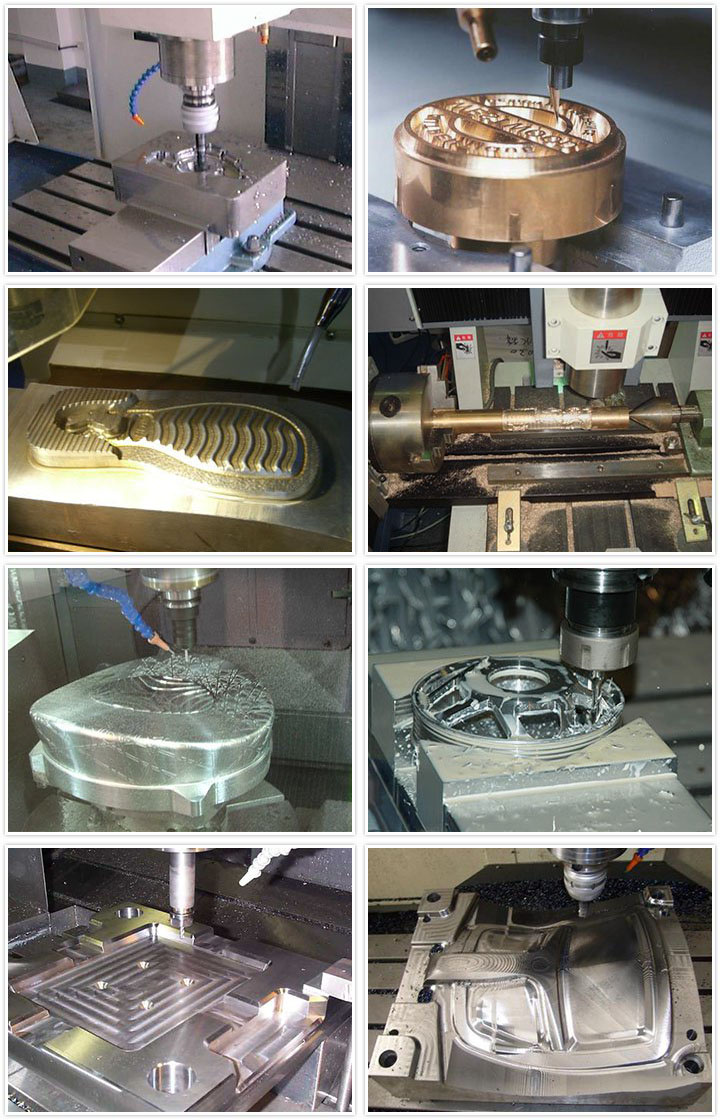
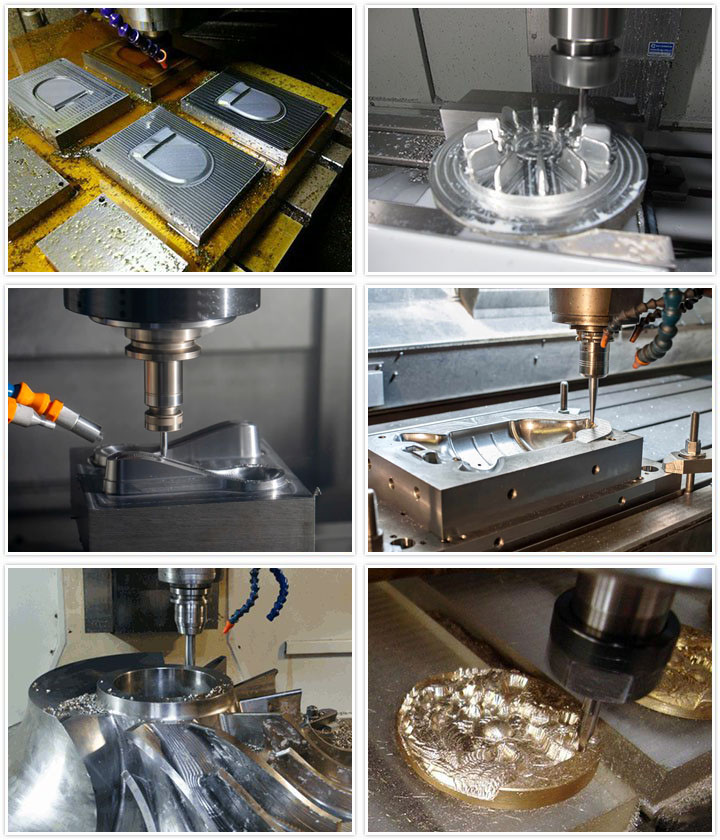
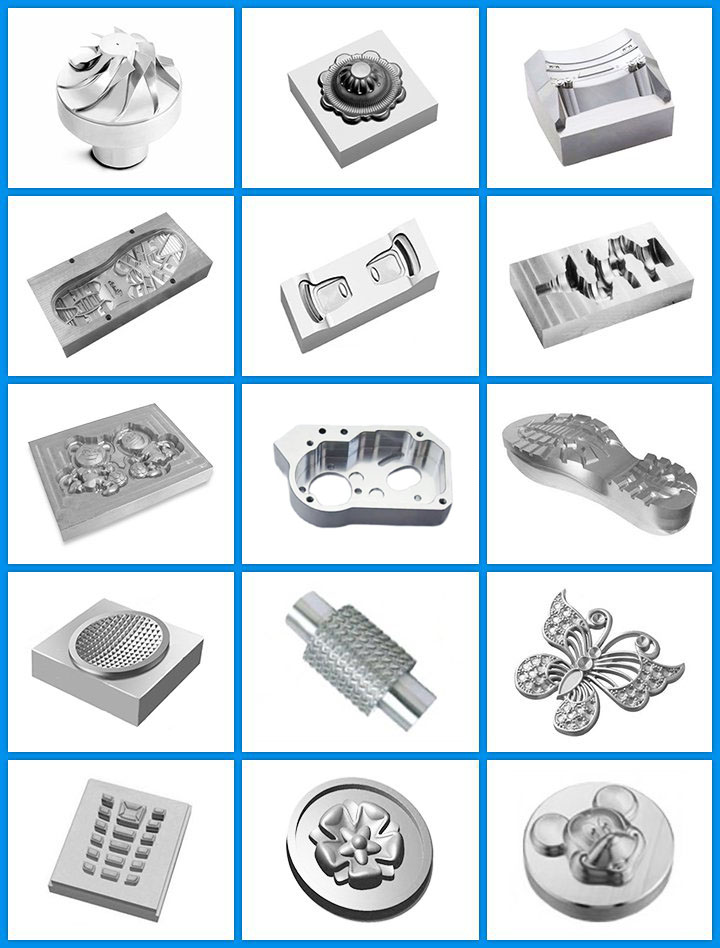
This will be important in understanding how each option will affect efficiency and precision as well as the overall workflow when deciding on a CNC molding machine with or without an ATC. Here's a breakdown of the key differences.
CNC molding machines with ATC minimizes shutdowns to a very low level, as the tool changing process is automated. Therefore, machines can work non-stop without requiring any intervention from an operator, hence fastening the production cycles. Machines without an ATC need manual tool changes, increasing downtime and reducing production rates.
Machines with ATC offer higher precision since the tools are automatically swapped with consistent alignment, ensuring accuracy across production runs. Manual tool changes can introduce slight errors in tool alignment, which may affect the consistency and quality of the finished parts.
By nature, ATC offers a machine to operate largely unaided by man, thus allowing minimal operator errors, while workers can attend to other tasks. However, without an ATC, machines are much more hands-on for operators in changing their tools, and thus it could imply interruptions and mistakes.
CNC molding machines with ATC generally have a higher upfront cost due to the advanced technology. However, the increased production speed and reduced labor costs typically offset the initial investment. On the other hand, machines without ATC are more affordable initially, but they incur higher long-term operational costs.
Maintaining CNC molding machines with an automatic tool changer (ATC) is crucial for ensuring smooth operation, and longevity, and minimizing costly repairs. Here are some essential maintenance tips:
• Regular Cleaning: Keep the machine and its components clean, particularly the tool changer mechanism. Dust, dirt, and debris can cause friction and thus accelerate wear on the ATC. The cleaning of a tool holder, a tool magazine, and all the moving parts should be regular to ensure smooth operation.
• Lubrication of Moving Parts: Regular lubrication of the machine's moving parts is done to reduce friction and wear. The list includes the tool changer's mechanical parts, rails, and spindles. Proper lubrication is done to ensure smooth movement that prolongs the system life.
• Check tool changer for wear or misalignment: Calibrate the ATC regularly to ensure it can actuate correctly. Inconsistent alignment can cause improper tool changes, resulting in low machining accuracies and productivity.
• Air and Fluid Levels: Most of the ATC machines use compressed air and hydraulic fluids. Keep these levels maintained and ensure that leak-free systems are provided. Low air pressure or insufficient fluid levels may be responsible for malfunctioning of the tool changer.
• Software Updates: Regular updates on the machine's software are necessary to avoid operational errors or issues with the ATC system. Bugs in software or outdated firmware will reduce performance and create unnecessary downtime.

 中文
中文 English